What Are the Benefits of Clad Wood Windows for Your Home?
Clad Wood Windows are an appealing option for many homeowners. They combine the beauty of natural wood with the durability of modern materials. This unique construction provides numerous benefits, making them a worthy investment for your home.
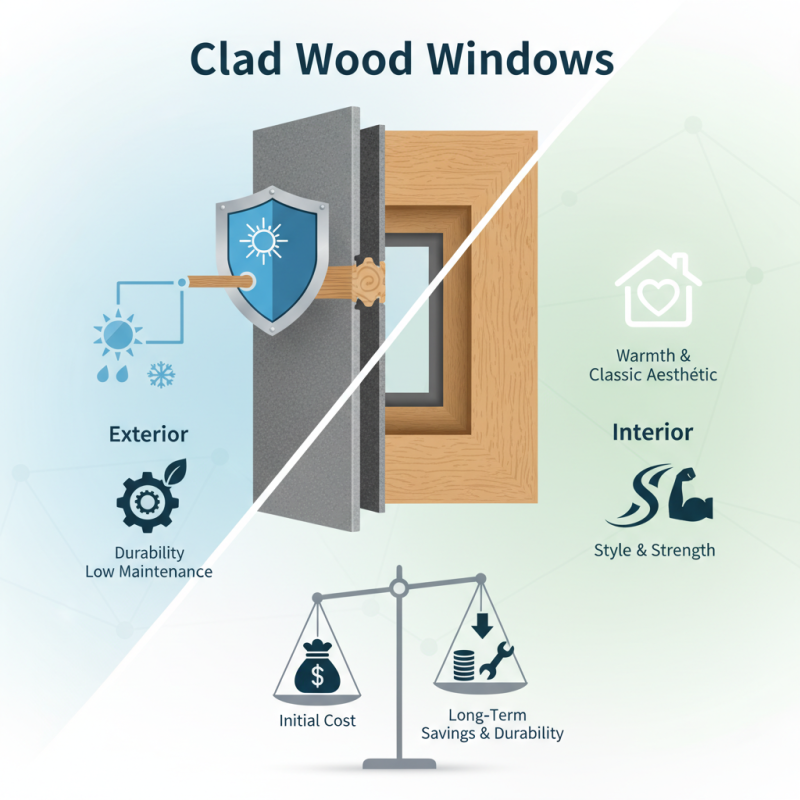
The exterior cladding protects the wood from harsh weather. It helps prevent rot and reduces maintenance needs. Inside, wood provides warmth and a classic aesthetic that enhances any room. Choosing clad wood windows means you enjoy style without compromising on strength.
However, it’s essential to consider the initial cost. Clad wood windows can be more expensive than traditional options. Yet, their long-term durability may save money in repairs and replacements. Homeowners should weigh these factors carefully to make informed decisions.
Benefits of Clad Wood Windows for Energy Efficiency in Homes
Clad wood windows offer impressive benefits for energy efficiency in homes. These windows combine the natural beauty of wood with the durability of exterior cladding. This unique design helps minimize heat loss during winter and reduces heat gain in summer. In various climates, clad wood windows can maintain a comfortable indoor temperature year-round, leading to lower energy bills.
The exterior cladding, often made of aluminum or vinyl, is resistant to harsh weather conditions. This creates a powerful thermal barrier that enhances insulation. Homeowners often notice a significant reduction in drafts. With proper installation, these windows can provide an airtight seal. Some might argue the initial cost is high. However, the long-term energy savings often justify the investment.
Despite their advantages, clad wood windows require regular maintenance. The wood inside needs occasional refinishing to maintain its aesthetic appeal. Moreover, if the exterior cladding is scratched or damaged, it may allow moisture to seep in, affecting performance. Ongoing care is vital to maximize their lifespan and efficiency. Balancing aesthetics and practicality can be challenging, but many find clad wood windows a worthwhile choice for durable energy efficiency.
Benefits of Clad Wood Windows for Energy Efficiency in Homes
| Benefit | Description | Energy Efficiency Impact |
| Thermal Insulation | Clad wood windows have excellent thermal insulation properties, reducing heat loss in winter and heat gain in summer. | High |
| Durability | The exterior clad material protects against weathering and extends lifespan, reducing the need for replacements. | Medium |
| Low Maintenance | Clad wood windows require less frequent painting and care compared to traditional wood windows. | Medium |
| Noise Reduction | The materials used can help reduce outdoor noise, enhancing comfort inside the home. | High |
| Aesthetic Variety | Available in various styles and colors to match home designs, increasing property value. | Low |
Aesthetic Appeal of Clad Wood Windows for Modern and Traditional Designs
Clad wood windows combine the warmth of timber with the durability of modern materials. They enhance both modern and traditional home designs. A study by the Window and Door Manufacturers Association found that 70% of homeowners prefer the natural look of wood. Clad wood provides this aesthetic without sacrificing protection from the elements. The finish options available allow homeowners to customize their windows to match their unique style.
Modern designs often favor clean lines and minimalistic appearances. Clad wood windows come in various colors and finishes. This versatility fits seamlessly into contemporary aesthetics. On the other hand, traditional designs benefit from the classic charm of wood. The natural grain and texture of wood can enhance historical features in older homes. Research highlights that well-maintained windows can significantly increase property value, sometimes by as much as 10%.
Despite their advantages, potential buyers need to consider maintenance. Clad wood windows require occasional inspections to ensure proper sealing. Inconsistent upkeep can lead to issues that undermine their durability. Understanding these aspects can guide homeowners in a thoughtful decision-making process. Balancing beauty with practicality is essential when choosing windows for any home.
Durability and Maintenance Advantages of Clad Wood Windows
Clad wood windows offer significant durability and maintenance advantages for homeowners. Unlike traditional wood frames that can warp or rot, clad wood windows feature a protective exterior layer, typically made of aluminum or vinyl. This layer shields against harsh weather conditions. According to the Window and Door Manufacturers Association, clad wood windows can last up to 20 years longer than traditional wooden windows.
Maintaining clad wood windows is simpler and less frequent. The exterior material requires minimal upkeep, often just a simple wash with soapy water. A survey conducted by the National Association of Home Builders showed that homeowners experienced up to a 30% reduction in maintenance time compared to standard wood windows. However, it's important to regularly check for any wear in the seals or seams, as neglect can lead to potential water infiltration.
While clad wood windows excel in many aspects, they do require a careful selection of materials. Choosing a reputable manufacturer is crucial for ensuring long-lasting performance. Some homeowners have reported issues with color fading and peeling over time. Being aware of these potential problems can guide decisions and enhance the benefits provided by clad wood windows.
Benefits of Clad Wood Windows for Your Home
This chart illustrates the benefits of clad wood windows with ratings from 1 to 10, highlighting their durability, maintenance advantages, energy efficiency, aesthetic appeal, and environmental impact.
Cost-Effectiveness of Clad Wood Windows Over Time
Clad wood windows offer significant cost-effectiveness over time, making them an appealing choice for homeowners. According to the Window & Door Manufacturers Association, clad windows can provide an estimated 70% return on investment when replaced. This means that even though the initial cost may be higher, homeowners can expect long-term savings.
The durability of clad wood windows plays a crucial role in their economic advantage. They are resistant to harsh weather and UV damage, which reduces maintenance costs. A study by the American Architectural Manufacturers Association reported that homeowners spend less on repairs and upkeep with clad windows compared to traditional wooden frames. This lower maintenance frequency translates to more savings over time.
Energy efficiency also contributes to the cost-effectiveness of clad wood windows. The Department of Energy emphasizes how proper insulation can reduce heating and cooling costs. While some might overlook this benefit, homeowners should recognize the long-term savings on utility bills. However, it’s vital to ensure proper installation. Poorly installed windows can negate these benefits, leading to unnecessary costs.
Environmental Benefits of Using Clad Wood Windows in Home Construction
Clad wood windows blend beauty with function. These windows are designed with a wooden core, protected by a durable exterior. This exterior shields the wood from harsh weather, reducing the need for frequent maintenance, which saves resources.
Using clad wood windows has notable environmental benefits. They provide excellent insulation, reducing energy consumption. Improved insulation means lower heating and cooling costs. Reduced energy use translates to decreased carbon footprints. Many homeowners report satisfaction when switching to these windows.
However, it is important to consider the manufacturing processes involved. While clad wood windows offer advantages, their production can impact the environment. Sourcing sustainable materials is essential. Looking for responsibly sourced wood helps mitigate this issue. Thoughtful choices make a significant difference.