How to Choose the Best Cabinet for Your Home Decor?
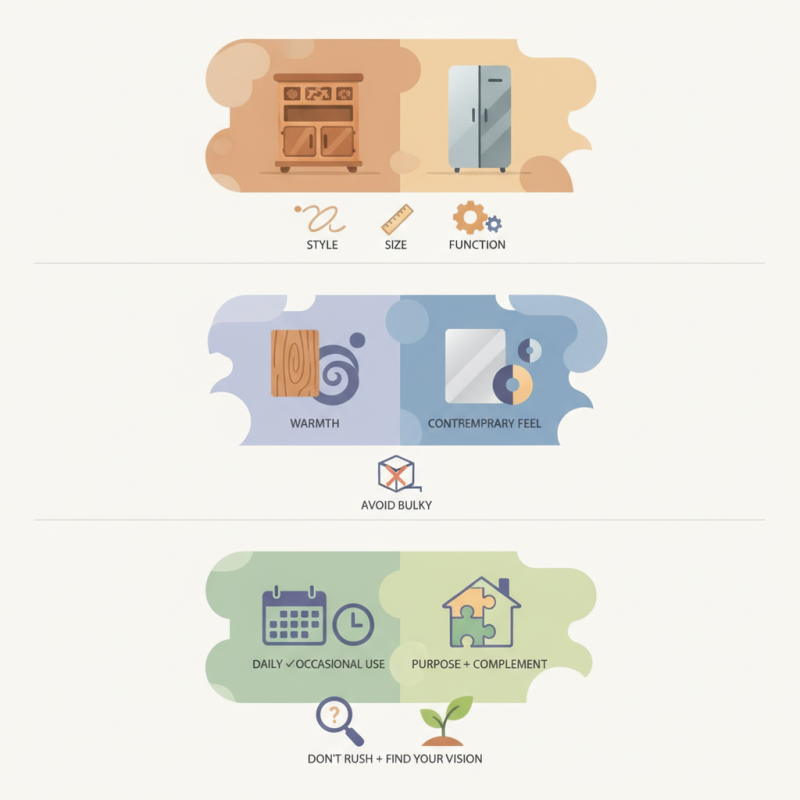
Choosing the right Cabinet for your home decor can be challenging. Cabinets are more than just storage; they define space. They can enhance or disrupt your home’s aesthetic. Pay attention to style, size, and function.
Consider your home’s overall design. A sleek, modern cabinet may not suit a rustic setting. Think about materials too. Wood cabinets offer warmth, while metal provides a contemporary feel. Avoid overwhelming your space with large, bulky cabinets.
Reflect on your needs. Will you use the cabinet daily? Or is it for occasional use? The cabinet should serve a purpose while complementing your decor. Don’t rush the decision. Take your time to find a cabinet that truly fits your vision.
Understanding Your Home Decor Style Prior to Cabinet Selection
Choosing the right cabinet requires a clear understanding of your home decor style. Each home tells a story through its design elements. Your cabinets should complement that narrative. Consider the overall aesthetics of your space. Are your rooms cozy and rustic or sleek and modern? This will guide you in selecting cabinets that fit seamlessly.
When assessing your decor style, think about color schemes and materials. Do you prefer warm woods or cool metals? Bright colors or muted tones? Matching your cabinet's finish with other elements, like flooring and countertops, can create a harmonious look. However, it’s essential to recognize that not every choice will work perfectly. Sometimes, bold contrasts can elevate a room's design. Reflect on what feels right for you.
Pay attention to the function as well. Cabinets aren't just decorative; they serve a purpose. They need to be practical. We often overlook the importance of storage. An aesthetically pleasing cabinet without adequate space will lead to frustration. Balancing style and functionality is crucial for creating a well-designed home. Embrace experimentation, and don't hesitate to rethink your choices as you discover your style.
Evaluating Functionality: Storage Needs and Cabinet Usage
When choosing a cabinet, think about its functionality first. Consider what you need to store. Are you organizing kitchen supplies, office documents, or decorative items? Each purpose requires a different design. For example, deep shelves may work well for kitchen pots, while shallow ones are better for books.
Measure your space carefully. A cabinet that’s too big can overwhelm a room, while one that’s too small may leave your storage needs unmet. Look for hidden storage solutions, like pull-out shelves or built-in compartments. These features can maximize space and utility.
Reflect on your usage patterns. Will the cabinet serve daily needs, or is it meant for occasional access? Frequent usage might call for ease of access. Storage should blend with your lifestyle, not hinder it. Sometimes, the perfect aesthetic might disrupt practicality. Finding balance is key. Adjust your choices as your needs evolve. Decor is not just about appearance; it's about how well your choices support your life.
Selecting Materials and Finishes That Complement Your Space
When selecting materials and finishes for your cabinets, consider how they interact with your overall decor. Natural wood can bring warmth to a space. However, it may not suit all styles. For modern interiors, sleek laminates or metals can contrast beautifully with soft textures. But remember, these finishes can sometimes feel cold.
Textures play a crucial role in enhancing your cabinetry. A matte finish might soften sharp lines, providing a sense of calm. Glossy surfaces, while stylish, can show smudges and dust easily. It's essential to weigh the aesthetics against practicality.
Don't forget to think about color. A bold hue might stand out, but can quickly overwhelm small spaces. Subtle shades can create a soothing backdrop. Experimenting with different combinations can lead you to surprising results. Keep in mind, choices should reflect your personality and lifestyle, allowing for some room to grow and change over time.
Sizing and Proportions: Ensuring Ideal Cabinet Dimensions
Choosing the right cabinet size is essential for your home decor. It begins by measuring your space accurately. Use a tape measure to get the width, height, and depth of the area where the cabinet will go. Factor in nearby furniture and other elements so you can maintain flow.
Proportions play a vital role. A tall cabinet in a low-ceiling room may feel oppressive. Likewise, a short cabinet may seem lost in a large space. A rule of thumb is to keep the cabinet about two-thirds the height of the room. This creates balance, allowing it to complement your existing decor rather than overpower it.
Knowing your needs is crucial, too. Consider what you want to store. If it’s books, choose taller cabinets. For dishes, opt for wide and shallow options. Think about accessibility. Remember, a clumsy design can lead to frustration. Adjust your choices based on trial and error. Your perfect cabinet isn’t just about dimensions; it’s about how it interacts with your lifestyle.
How to Choose the Best Cabinet for Your Home Decor? - Sizing and Proportions: Ensuring Ideal Cabinet Dimensions
| Cabinet Type | Ideal Dimensions (Height x Width x Depth) | Recommended Room Size | Functionality |
| Freestanding Cabinets | 72" x 36" x 18" | Medium to Large Living Rooms | Storage for Books and Decorative Items |
| Wall Cabinets | 30" x 48" x 12" | Small to Medium Kitchens | Kitchen Storage and Dishes Display |
| Corner Cabinets | 72" x 30" x 30" | Small to Medium Rooms | Utilization of Corner Space |
| Cabinet with Glass Doors | 60" x 36" x 18" | Medium Living Rooms and Dining Areas | Showcase Glassware or Collectibles |
| Under-Sink Cabinets | 30" x 30" x 18" | Small Bathrooms | Bathroom Supplies and Cleaning Products |
Exploring Design Trends: Modern, Classic, or Eclectic Cabinets
When considering cabinet options for your home, the design trend you choose can set the tone. Modern cabinets often showcase clean lines and minimalistic designs. They utilize materials like metal and glass, creating a sleek look. These cabinets work well in open spaces, enhancing the airy feel of a contemporary home.
On the other hand, classic cabinets exude timeless elegance. Wood finishes and intricate details characterize this design. They can either be ornate or simple, catering to a variety of tastes. These cabinets can anchor a room, providing warmth and stability. However, they might require more maintenance since wood can wear over time.
Eclectic cabinets combine various styles, colors, and textures. They reflect personal creativity and can add a wow factor to any space. However, they risk feeling disjointed if not curated carefully. Mixing materials should be done thoughtfully to maintain balance. This approach invites both excitement and challenge, pushing your design skills to the limit.