How to Choose Solid Wood Front Doors for Your Home?
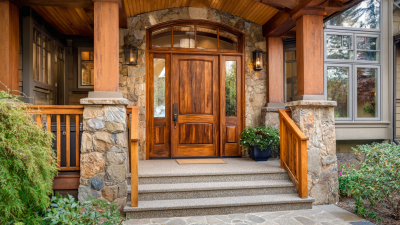
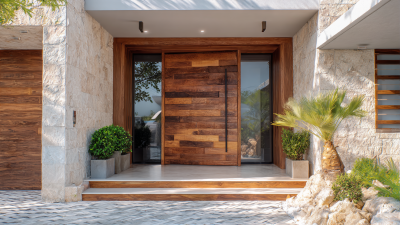
Choosing solid wood front doors for your home is an essential decision. These doors offer beauty and durability. They are often the first thing guests notice. A solid wood door can provide a warm, welcoming feel to your entrance.
When selecting solid wood front doors, consider the type of wood. Different woods have unique grain patterns and colors. Oak, walnut, and mahogany are popular choices. Each has distinct characteristics that can enhance your home’s exterior. Additionally, think about the design. Do you prefer a traditional or modern look? Your door should complement your home’s architectural style.
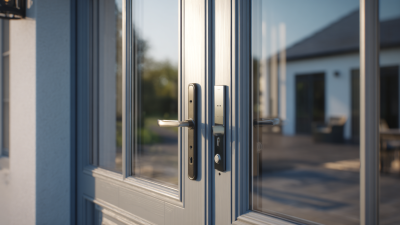
It’s easy to overlook details, but the door hardware matters too. Handles and hinges can impact both function and aesthetics. You may want to choose materials that resist wear. Reflect on your budget and maintenance preferences as well. Sometimes, the most beautiful doors require extra care. Selecting the right solid wood front door is a balance of aesthetics, function, and practicality.
Factors to Consider When Choosing Solid Wood Front Doors for Your Home
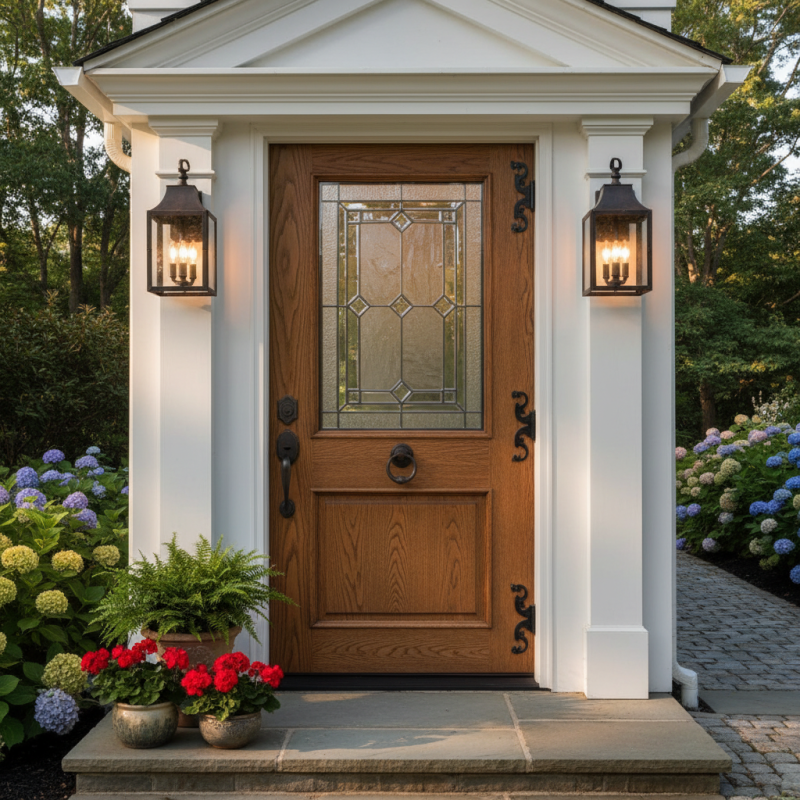
Choosing solid wood front doors for your home requires careful thought. Wood type is crucial. Species like oak, mahogany, and pine each have distinct characteristics. Consider the climate in your area. Some woods hold up better in humid conditions than others.
When selecting a door, think about design and aesthetics. The door should complement your home's style. A rustic cabin might benefit from a rugged design, while a modern home may require clean lines. Pay attention to details, such as paneling and finishes. Those factors will enhance the overall look.
Tips: Test different wood samples. Feel the texture and observe the grain. This personal interaction can offer valuable insight. Also, weigh the door's thickness. Thicker doors often provide better insulation and security. Keep in mind that your choice is significant. Reflect on how each option fits your lifestyle and needs.
How to Choose Solid Wood Front Doors for Your Home?
| Factors |
Details |
| Wood Type |
Consider oak, mahogany, or pine for durability and aesthetic appeal. |
| Insulation |
Choose doors with good insulation properties to enhance energy efficiency. |
| Style |
Select a style that complements your home's architecture, such as modern, traditional, or rustic. |
| Finish |
Consider paint or stain options that protect the wood and enhance its natural beauty. |
| Security Features |
Look for doors with solid core construction and multi-point locking systems for improved security. |
| Maintenance |
Consider the maintenance requirements of the wood type chosen, including re-staining and sealant checks. |
| Budget |
Assess the cost of solid wood doors within your budget and find a balance between quality and affordability. |
Popular Types of Wood Used in Front Doors and Their Durability Ratings
When selecting a solid wood front door, the choice of wood is crucial. Popular options include
oak, mahogany, and walnut.
Oak stands out for its strength and resistance to wear. It's often rated very durable, lasting
30 years or more. Mahogany offers beauty with rich colors. However, its durability can be less consistent.
Many sources state it can last 15 to 25 years if maintained properly.
Walnut is another elegant choice. Its dark hues are attractive, yet it’s less durable than
oak. Reports suggest walnut doors last about 10 to 20 years, especially in humid climates. While they look stunning,
they require more maintenance compared to oak. It's essential to consider local weather conditions.
Many homeowners overlook these factors. Choosing wood solely for appearance can lead to regrets.
Balancing beauty with endurance is key.
Maintenance needs can also affect life expectancy. Understanding these nuances helps in making an informed decision.
The Importance of Door Thickness in Energy Efficiency and Security
Choosing solid wood front doors requires attention to detail, especially regarding door thickness. A thicker door often provides better energy efficiency. It blocks drafts effectively, keeping your home warmer in the winter and cooler in the summer. Many homeowners overlook this aspect, focusing solely on aesthetics.
Security is another vital factor. Thicker doors are harder to break down. They offer a strong barrier against intruders. However, some may find these doors heavier and harder to manage. It’s essential to find a balance between weight and functionality. A door needs to look good, but it also must protect your home.
Consider the type of wood used. Dense woods generally offer better insulation. But, not every wood species is suitable for your climate. Research is key. Your choice should reflect personal taste and practical needs. Get samples, if possible. Testing the feel of various thicknesses can make the decision easier.
Understanding Finishes and Treatments to Enhance Wood Door Longevity
When selecting solid wood front doors, understanding finishes and treatments is crucial. Choices like varnish, oil, or polyurethane can significantly impact durability. Varnish offers a hard, protective layer, while oil penetrates the wood, enhancing its natural appearance. But, not all oils are created equal. Some may require frequent reapplication, making the upkeep challenging.
Consider your climate. A door in a humid area needs more protective treatments. Water-resistant finishes can prevent warping. Look for UV protection too. Sun exposure can fade colors and crack the wood. Many overlook this aspect until it's too late.
Maintenance is another factor to ponder. Regularly check for signs of wear. Some finishes can deteriorate quickly if not cared for properly. It's easy to neglect this until your door looks dull and weathered. A proactive approach is essential for preserving beauty and function. Choose wisely to enhance longevity, but be prepared for the ongoing commitment.
Cost Analysis: Budgeting for Solid Wood Front Doors and Installation Expenses
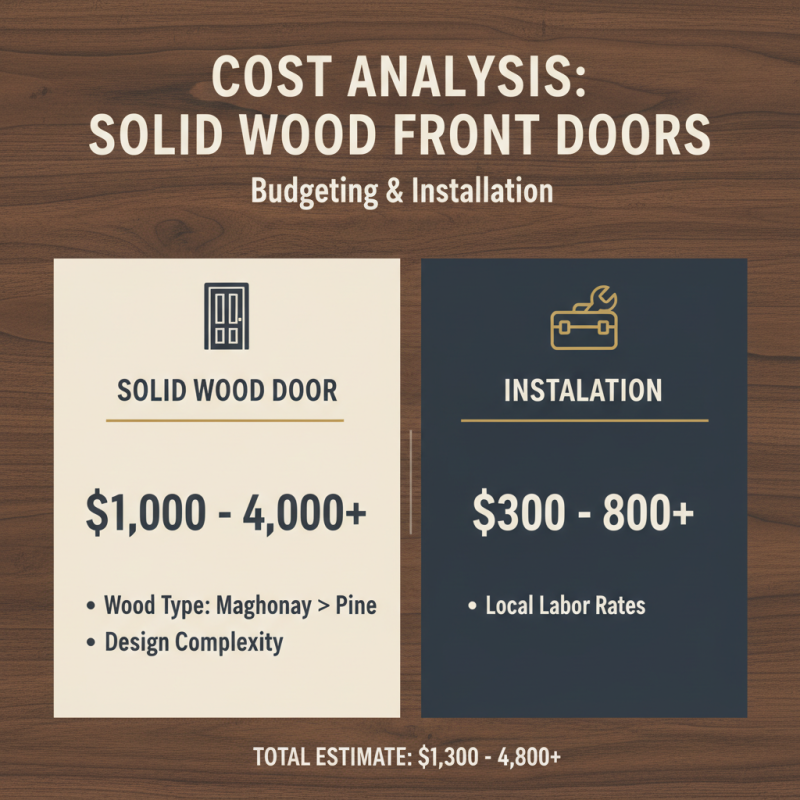
When planning to install solid wood front doors, it's essential to consider the costs involved. On average, the price of a solid wood door ranges from $1,000 to $4,000. This can vary based on the wood type and design complexity. For example, mahogany often comes at a premium compared to pine. Installation can add an additional $300 to $800, depending on labor rates in your area.
Included in your budget should also be the costs of finishing, which typically run between $200 and $500. Proper sealing is crucial to ensure longevity and prevent warping. Additionally, some homeowners overlook maintenance. Wood doors require periodic refinishing, costing about $100 to $300 every few years. This reflects a long-term investment that must be accounted for.
However, these doors can be a financial strain. With rising lumber prices, many are concerned about unexpected expenses. A survey by the National Association of Home Builders indicates that homeowners often exceed their initial budgets by 20-30% when including installation and finishing costs. It’s important to have a clear understanding of your limits and seek multiple estimates. Even minor design changes can affect the final price significantly.