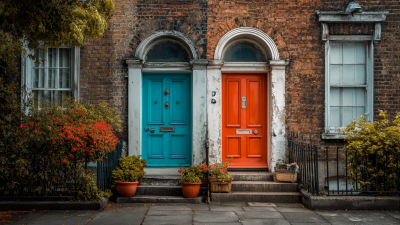
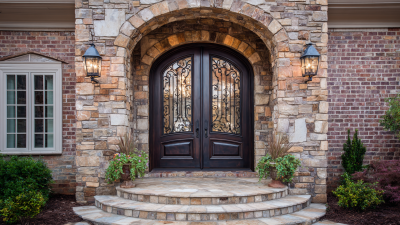
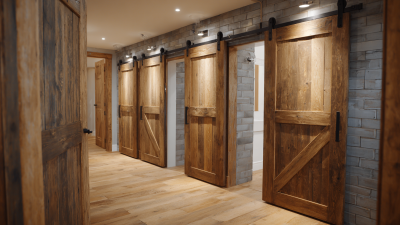
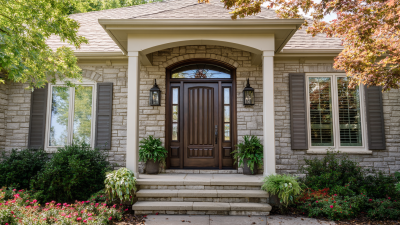
When it comes to enhancing the curb appeal and security of your home, selecting the right home entry doors is crucial. According to renowned architect and design expert Laura Smith, "The front door is not just an entryway; it is the first impression your home makes to the world." This highlights the significance of choosing doors that not only reflect your personal style but also provide durability and safety.
In this guide, we will explore ten essential tips that will empower homeowners to make informed decisions when selecting home entry doors. From material selection to aesthetic considerations, these insights are designed to streamline the process and ensure that your choice complements both the functionality and design of your residence. Understanding the various options available in the market will help you navigate through choices that best suit your lifestyle and home environment. With the right knowledge and guidance, you can confidently choose home entry doors that elevate the aesthetics and security of your living space.
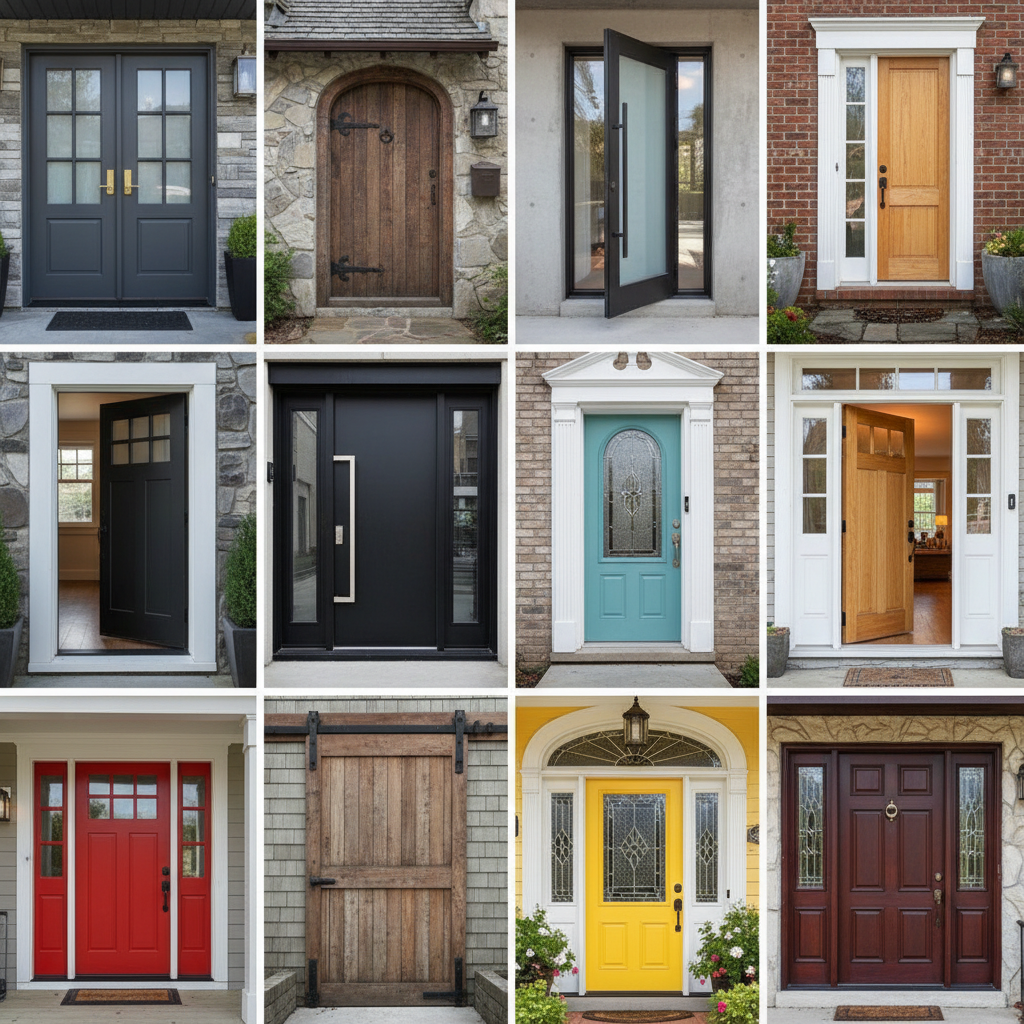
When designing a home, entry doors play a critical role that extends beyond mere functionality. They serve as the
first impression of your home, enhancing curb appeal and setting the tone
for the interior. High-quality entry doors not only provide security but also contribute to
energy efficiency, insulation, and noise reduction. Selecting
the right door can significantly impact the overall aesthetic of your space, making it essential to understand
their importance in home design.
When choosing entry doors, consider these essential tips: First, prioritize
material quality. Solid wood, fiberglass, and steel are durable options
that offer varying levels of insulation and security. Next, pay attention to
style and architecture. Your door should complement the design of your home, creating a harmonious entrance.
Finally, evaluate the door’s energy efficiency ratings, as this will affect your
utility bills and comfort level throughout the seasons. Investing in a quality
entry door not only enhances your home's appearance but also provides peace of mind
and long-term benefits.
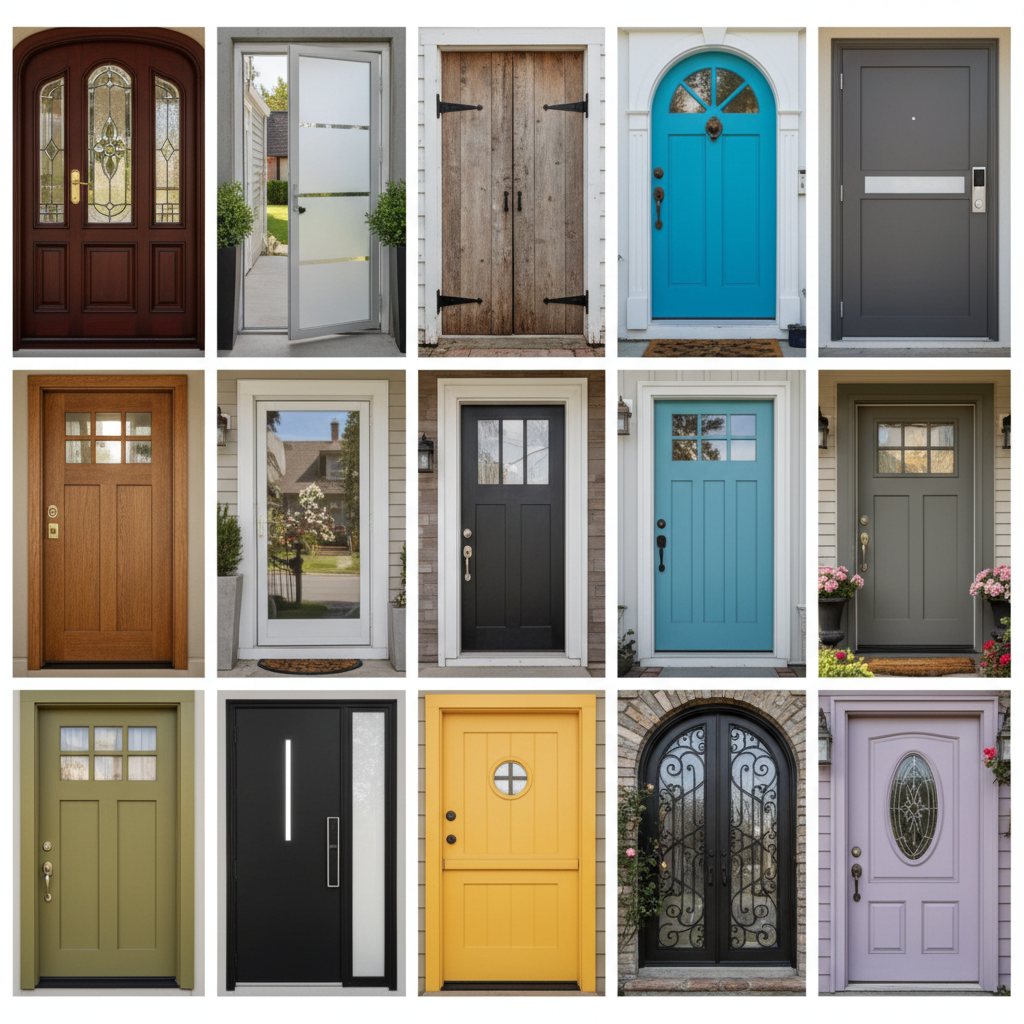
When selecting home entry doors, several key factors come into play to ensure you make the best choice for your home. First and foremost, the material of the door is crucial. Whether you opt for wood, fiberglass, or steel, each material has its benefits, such as insulation properties, durability, and aesthetic appeal. Wood doors offer a classic look but require maintenance, while fiberglass and steel doors can offer superior security and energy efficiency.
Another critical aspect to consider is the door style and design, which should complement your home's architecture. From contemporary to traditional styling, the right door can enhance curb appeal significantly. Moreover, consider features like energy efficiency ratings, which can impact your home's heating and cooling costs. Finally, security is paramount; choose doors with robust locking systems and reinforced frames to protect your home effectively against intrusions. By carefully evaluating these key factors, you can select an entry door that fulfills both functional and aesthetic needs.
When selecting the ideal home entry doors, exploring different materials is crucial for both durability and style. According to a report by the National Association of Home Builders, wood doors remain popular due to their natural beauty and versatility. However, they require regular maintenance to prevent warping and decay. On the other hand, fiberglass doors have gained traction, offering an array of styles that mimic wood while being resistant to the elements, making them an excellent long-term investment.
Tip: Consider energy efficiency as a key factor in your choice of material. Steel doors, for instance, provide superior insulation compared to other options and can significantly reduce heating and cooling costs. Reports indicate that a well-insulated steel door can cut energy bills by up to 20%. This kind of performance can boost your home's overall energy efficiency, making it a sensible choice for environmentally conscious homeowners.
Another popular option is vinyl doors, known for their low maintenance and resistance to fading or rotting. The American Institute of Architects notes that these doors are increasingly being favored due to their affordability and wide range of designs. When evaluating all options, assess not only the aesthetic appeal but also the long-term resilience of the material against weather and wear.
When it comes to selecting the best home entry doors, enhancing security features should be a top priority for homeowners. According to a survey by the Bureau of Justice Statistics, over 2.5 million burglary offenses were reported in the U.S. in 2019, with the majority of break-ins occurring through unsecured entry points. Choosing a door that offers superior security can significantly reduce the risk of unauthorized entry.
When selecting an entry door, look for options made from solid materials such as fiberglass or steel, rather than hollow-core wood which can be easily compromised. Opt for doors that feature multi-point locking systems; these locks engage at multiple points along the frame, making it much harder for intruders to force the door open. Additionally, installing a door with a reinforced frame can enhance overall strength and resilience against forced entry attempts.
Furthermore, consider adding smart technology to your entry system. A study by the National Institute of Justice reported that homes with monitored security systems are 300% less likely to be broken into. Doors that can integrate smart locks with remote monitoring capabilities not only improve security but also offer convenience for homeowners. Implementing these tips can create a secure environment that gives peace of mind.
| Tip | Description | Security Features | Material Options |
|---|---|---|---|
| 1. Choose the Right Material | Select durable materials that provide natural resistance to weather. | Reinforced locks | Steel, fiberglass, or solid wood |
| 2. Consider Energy Efficiency | Select doors with good insulation to conserve energy. | Weather stripping | Fiberglass, insulated steel |
| 3. Opt for Multi-Point Locking Systems | Enhances security by locking at multiple points. | Multi-point locks | Steel, composite |
| 4. Choose Impact-Resistant Doors | Recommended for areas prone to severe weather. | Hurricane-rated | Fiberglass, reinforced steel |
| 5. Incorporate Smart Technology | Install smart locks and security features for remote access. | Smart locks | Variety of materials compatible |
| 6. Evaluate Door Thickness | Thicker doors generally provide better security. | Thickness gauge | Solid wood, steel |
| 7. Look for Reinforced Frames | Ensures stability and resistance against forced entry. | Reinforced hinges | Steel, fiberglass |
| 8. Installation Quality Matters | Professional installation prevents security issues. | Proper alignment | Any durable material |
| 9. Consider Aesthetic Appeal | Match your door style with home decor while maintaining security. | Stylish locks | Wood, fiberglass |
| 10. Check for Local Codes | Ensure compliance with local building and safety codes. | Code-compliant locks | All materials aligned with regulations |
When selecting the perfect entry door for your home, aesthetic considerations should be at the forefront of your decision-making process. Your front door serves as the focal point of your home’s exterior, and it should harmonize with your architectural style, whether it's modern, traditional, or something in between. Consider the color, material, and design elements that reflect your home's personality. For example, a sleek fiberglass door may complement a contemporary home, while a classic wooden door might be more fitting for a colonial-style residence.
Tip: Take note of your home's surrounding features. The landscaping, window style, and exterior finishes all play a role in how your entry door will look. A door that blends well with these elements can enhance curb appeal and create a cohesive aesthetic.
Additionally, think about the scale and proportion of your entry door. Oversized doors can make a bold statement on larger homes, while more modest designs can create a welcoming entrance for smaller structures. Pay attention to hardware, patterns, and finishing touches, as these details can further reinforce the overall style.
Tip: Don't forget about the entrance lighting and decorations. These accents can complement your entry door and tie the whole look together, ensuring a well-coordinated appearance that highlights your home's character.