What are Safety Shoes and Why are They Essential for Workers?
Safety Shoes are crucial for workers across various industries. These specialized footwear protect against injuries from heavy objects, slips, and sharp hazards. Work environments, such as construction sites or manufacturing floors, pose significant risks. Wearing safety shoes can prevent serious accidents and improve overall safety.
Many employees underestimate the importance of safety shoes. Some may choose stylish or comfortable alternatives, neglecting necessary protection. However, the right safety shoes offer features like reinforced toes, slip-resistant soles, and puncture resistance. Each element is designed to mitigate workplace injuries.
Inadequate footwear can lead to accidents that may have lasting consequences. Workers should prioritize safety shoes to ensure their well-being. Employers must also enforce safety protocols by providing appropriate footwear to their teams. Ultimately, safety shoes are not just an accessory; they are a vital component of workplace safety.
What are Safety Shoes?
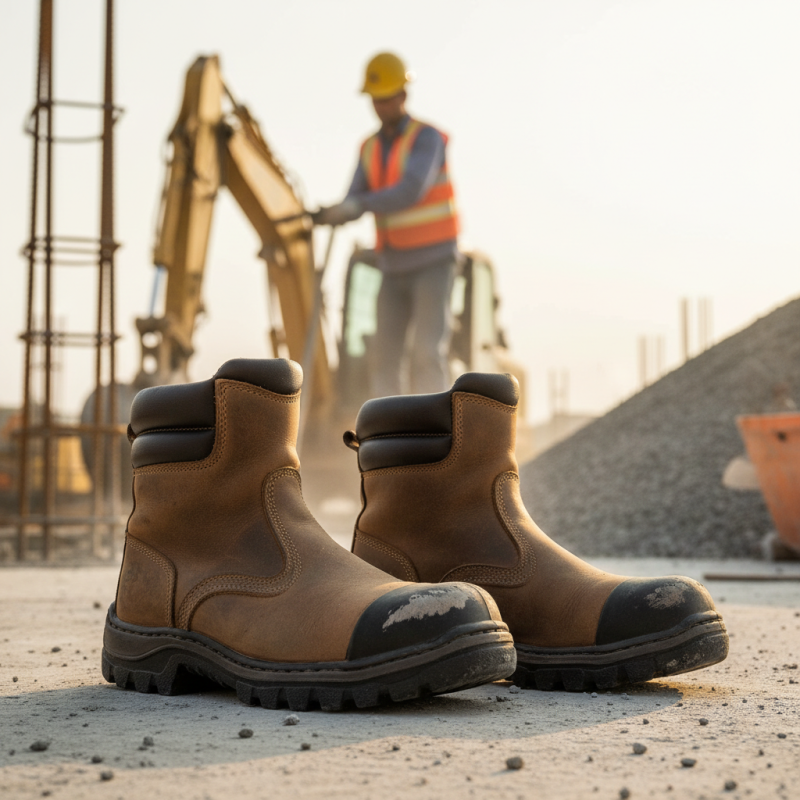
Safety shoes are specialized footwear designed to protect workers in various industries. They are essential for minimizing risks associated with workplace injuries. Common features include steel toes, slip-resistant soles, and puncture-resistant materials. According to the American Society of Safety Professionals, nearly 70,000 foot injuries occur annually in the workplace, highlighting the need for effective protection.
In construction and manufacturing, safety shoes significantly reduce the incidence of injuries. A study by the Occupational Safety and Health Administration (OSHA) indicates that wearing appropriate footwear can lower injury rates by up to 30%. These shoes often meet specific safety standards, such as ASTM F2413 in the United States, ensuring reliable protection against hazards. However, in some facilities, workers may neglect to wear them consistently. This creates gaps in safety protocols and can lead to preventable injuries.
Not all safety shoes fit every environment. Workers must choose footwear tailored to their specific tasks and risks. For example, those in wet environments need slip-resistant shoes to prevent falls. However, finding the right fit can be challenging. Ill-fitting shoes can cause discomfort and lead to lower compliance among employees. Addressing these issues is crucial for maintaining a safe workplace.
The Importance of Safety Shoes in Workplace Environments
Safety shoes play a vital role in workplace environments across various industries. According to a report by the Occupational Safety and Health Administration (OSHA), over 100,000 injuries occur each year due to foot-related incidents. These injuries can lead to long recovery times and significant costs for businesses. Protective footwear helps reduce the risk of these incidents, ensuring a safer workplace.
Many industries require specific safety features in their shoes. Steel-toed and composite-toed options provide essential protection against heavy objects. Slip-resistant soles can prevent falls in wet or oily conditions, a common hazard in manufacturing and construction sites. In a survey, 70% of workers indicated that wearing safety shoes made them feel more secure on the job.
Despite the clear benefits, workers sometimes resist wearing safety shoes due to comfort issues. Some designs can be heavy or restrictive. It's crucial for employers to offer options that prioritize both safety and comfort. Employees should feel empowered to voice concerns about fit and style, as a proper fit enhances compliance and safety. Investing in education about the benefits of safety shoes can help change perceptions and foster a stronger safety culture.
Importance of Safety Shoes in Workplace Environments
Key Features and Standards of Quality Safety Shoes
Safety shoes play a crucial role in protecting workers across various industries. Many workplaces expose employees to hazards such as falling objects, sharp materials, and electrical risks. Reports indicate that around 70% of workplace injuries involve feet and toes. Choosing quality safety shoes can significantly reduce these risks.
Key features of safety shoes include reinforced toes, slip-resistant soles, and moisture-wicking materials. The American National Standards Institute (ANSI) and the Occupational Safety and Health Administration (OSHA) set rigorous standards for safety footwear. Shoes that meet these standards often have protective features like steel or composite toe caps, ensuring maximum protection against impact. Moreover, slip-resistant soles enhance grip, reducing slips and falls, which account for a notable percentage of workplace accidents.
While quality safety shoes are essential, not all designs offer the same level of protection. Some shoes may not provide adequate support or comfort for long hours. Workers often overlook the importance of proper fit, which can lead to discomfort and foot injuries over time. Regular assessments of footwear are necessary to ensure ongoing compliance with safety standards, as well as to address any wear and tear.
Common Types of Safety Shoes for Different Industries
Safety shoes are critical for workers across various industries. They provide necessary protection against potential hazards. Different jobs require specific types of safety shoes to address the unique risks faced on-site.
For construction workers, steel-toed boots are essential. They guard against falling objects and heavy equipment. The soles are often slip-resistant, making them safer on construction sites. Look for boots with waterproof materials for added comfort in wet conditions.
In the healthcare industry, slip-resistant shoes are paramount. Medical professionals often work in fast-paced environments. A good pair of shoes can lessen fatigue. They need cushioning and support for long hours. It’s advisable to choose styles with easy-to-clean surfaces.
In warehouses, composite-toe shoes are a common choice. They are lightweight and do not conduct electricity. This is vital for workers near electrical hazards. Breathable materials can help prevent overheating. Always check the safety rating before making a purchase.
Tips for selecting safety shoes include ensuring a proper fit. Tight shoes can cause blisters and discomfort. It's important to consider the working conditions before making a choice. Opt for shoes with good arch support for all-day comfort.
How to Choose the Right Safety Shoes for Your Needs
Choosing the right safety shoes is crucial for workers in various industries. According to the Occupational Safety and Health Administration (OSHA), foot injuries account for about 25% of all workplace injuries. This highlights the need for protective footwear that meets specific safety standards.
When selecting safety shoes, consider the environment. Will you be on slippery surfaces or around heavy machinery? Look for features like slip-resistant soles, steel toe caps, and puncture-resistant materials. Comfort is equally important. Workers spend long hours on their feet, so shoes should provide proper support. Research shows that ergonomic designs can reduce fatigue by up to 50%, essential for a productive workday.
Tips: Always try on shoes with the socks you intend to wear. Walk around to ensure comfort and fit. Regularly assess your shoes for wear and tear. They should be replaced if there is noticeable damage or if discomfort arises. Remember, investing in quality safety shoes is investing in your health and productivity.
