
Why Choose a Shower With Glass for Your Bathroom?

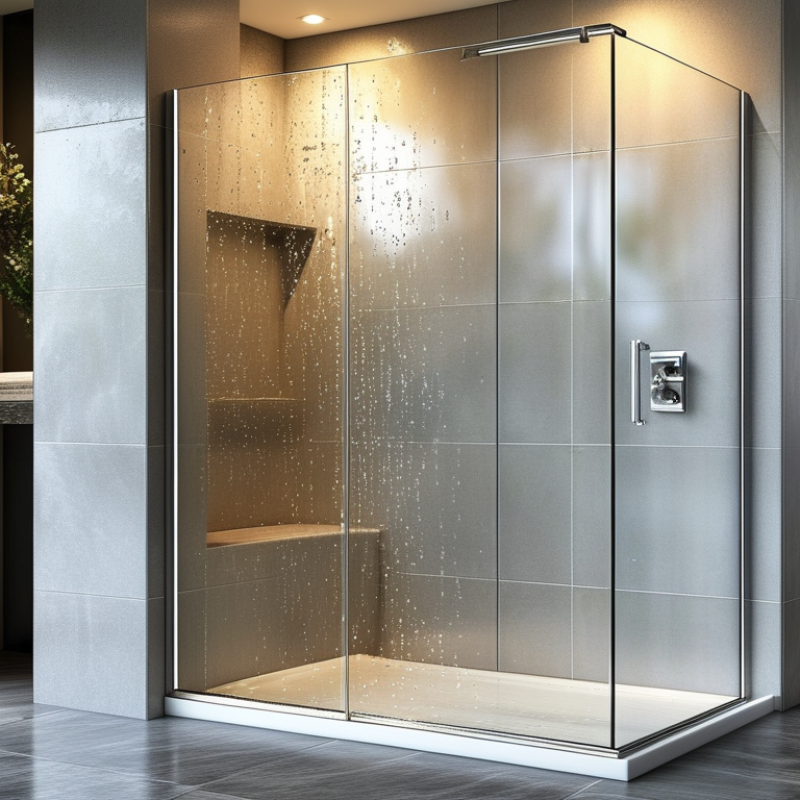
A Shower With Glass can change the character of a bathroom without adding another wall. Clear panels let daylight travel across the room. They also make compact spaces feel less boxed in. The effect is simple, almost quiet. Yet the choice involves more than appearance.

“Glass should support the daily ritual, not compete with it,” says Michael Turner, a veteran shower-enclosure designer with more than twenty years of installation experience. His observation reflects a practical truth. The best enclosure fits the room, the users, and the cleaning routine. Tempered safety glass can provide strong protection against ordinary impact. Proper hinges, stable brackets, and correctly sealed joints matter just as much. A beautiful panel can still fail when the installation is careless.

Think about the details. Water beads along the glass after a hot shower. A narrow threshold limits tripping hazards. A hinged door needs clear space to open fully. Textured or frosted glass can protect privacy while preserving some daylight. Low-iron glass offers a cleaner, brighter appearance, though it may cost more. Hard-water stains also appear quickly in some regions. That reality deserves attention.

Not every bathroom needs a frameless design. Sometimes a slim framed enclosure performs better and costs less. This is where personal preference can mislead. An experienced installer should inspect wall conditions, drainage, ventilation, and daily habits before recommending materials.

A Shower With Glass is not a magic solution. It is a design decision with lasting consequences. The following guide explores its visual, practical, and maintenance benefits, while acknowledging the compromises homeowners often discover later.
Why Choose a Shower With Glass for Your Bathroom?

What Is a Glass Shower and How Does It Work?

Why Choose a Shower With Glass for Your Bathroom?

What Is a Glass Shower and How Does It Work?

A glass shower is a water-resistant enclosure around the bathing area. It usually includes tempered glass panels, a door, hinges, seals, and a sloped shower floor. The glass blocks splashes while allowing light to pass through. This can make a compact bathroom feel less crowded.

Tempered glass is processed with controlled heating and cooling. According to the National Glass Association, it is about four times stronger than ordinary annealed glass. If it breaks, it usually forms smaller, less sharp pieces. Still, it is not unbreakable. Professional installers must measure wall conditions, check plumb lines, and anchor hardware correctly. Small installation errors can cause leaks or door movement.

Water flows from the showerhead toward the drain, while seals and carefully aligned panels limit escape. The U.S. Environmental Protection Agency’s WaterSense program identifies showerheads using no more than 2.0 gallons per minute. That affects water use, but enclosure design still matters.

The 2024 U.S. Houzz Bathroom Trends Study reports that 84% of renovating homeowners upgrade shower fixtures.

Glass often accompanies these upgrades because it keeps the shower visible and easier to inspect. A frameless design looks clean. It also shows water spots more clearly. In practice, glass requires regular wiping, especially in hard-water areas. I once assumed a larger panel meant less maintenance. That was not always true. More exposed glass can mean more visible mineral residue.

How Glass Showers Improve Bathroom Space and Appearance

Why Choose a Shower With Glass for Your Bathroom?

How Glass Showers Improve Bathroom Space and Appearance

A glass shower can make a compact bathroom feel more open. Clear panels keep the floor visible from the doorway. This uninterrupted view reduces the heavy appearance of solid walls. Natural light can also travel deeper into the room. The result feels brighter, even without adding new lighting. It is not magic. A dark tile layout can still make the bathroom feel enclosed.

In practical bathroom planning, frameless or semi-frameless designs create the cleanest visual effect. Tempered safety glass is commonly used for shower enclosures. Panels often measure between 8 and 10 millimeters, depending on local standards and the installation design. A qualified installer should check wall strength, panel alignment, door swing, and drainage. Small errors can cause leaks or difficult door movement. Good measurements matter.

Maintenance affects the appearance over time. Water spots may show clearly on transparent glass, especially in hard-water areas. A simple squeegee after bathing can reduce mineral buildup. Proper seals and smooth hinges also make cleaning easier. Frosted or textured glass offers more privacy, but it may scatter light and need more detailed cleaning. That trade-off deserves attention. Glass can improve space and style, yet it exposes clutter inside the shower. Bottles, towels, and poor grout lines become part of the view. Personally, I would plan storage before choosing the glass.

Which Glass Types and Door Designs Suit Different Bathrooms?

Clear tempered glass suits bathrooms that need more light and a larger visual space. It shows water spots easily, though. Regular cleaning becomes part of the design.

Frosted or textured glass offers privacy for shared bathrooms. It also softens harsh daylight without making the room feel closed. Low-iron glass gives a cleaner, almost colorless view of tiles and fixtures. Laminated glass can provide extra protection because its layers help hold broken pieces together. A qualified installer should confirm which option meets local safety requirements.

Pivot or hinged doors work well in wide shower openings with enough floor clearance. Sliding doors save space in compact bathrooms, but their tracks need careful cleaning. Frameless doors create a light, modern appearance and demand accurate wall measurements. Semi-frameless designs provide more support when walls are slightly uneven. I once favored a frameless door for a narrow renovation, but the surrounding structure was not ready for it. The result required extra adjustment. That experience changed my approach: door style should follow the room’s structure, not only its appearance. Check the floor slope, hinge position, drainage, and daily access before choosing. Small details matter.

What Safety, Privacy, and Maintenance Factors Should You Consider?

Why Choose a Shower With Glass for Your Bathroom?

A glass shower can make a small bathroom feel brighter and more open. Safety must guide the design, not appearance alone. Choose tempered or laminated safety glazing, and ask the installer to verify CPSC 16 CFR Part 1201 and ANSI Z97.1 requirements. These standards address impact performance and glazing safety. A stable, wide entrance also matters. National Safety Council Injury Facts 2024 identifies falls as a major source of preventable injuries, especially for older adults. Add slip-resistant flooring, strong handles, and outward-opening hardware where practical. I would not place a towel hook inside the door’s swing path.

Privacy is personal. Clear glass offers light, but textured, frosted, or partially obscured panels provide more visual comfort. A fixed privacy strip can protect the shower area without darkening the room. Measure sightlines from the toilet, hallway, and nearby windows. Details matter. Poor placement can make expensive glass feel exposed. Ventilation also deserves attention. The U.S. Environmental Protection Agency’s WaterSense guidance notes that showering represents about 17% of residential indoor water use. That moisture needs a reliable exhaust fan and a clear path for drying. After each shower, use a squeegee on the lower glass and leave the door slightly open. This reduces mineral spots and soap film. Soft water helps, but it is not magic. I once underestimated corner buildup; regular cleaning still mattered. Avoid abrasive pads and harsh chemicals that can damage seals, finishes, or nearby stone. Have the enclosure inspected when hinges loosen or seals shrink.

How to Decide Whether a Glass Shower Fits Your Bathroom?

Why Choose a Shower With Glass for Your Bathroom?

How to Decide Whether a Glass Shower Fits Your Bathroom?

Glass can make a compact bathroom feel brighter and more open. However, openness is not always practical. The Houzz 2024 U.S. Bathroom Trends Study reported shower upgrades in 78% of primary bathroom renovations. This suggests strong demand, but popularity should not decide your layout. Measure the shower footprint, door swing, and walking clearance first. A fixed panel may suit a narrow room better than a swinging door. Families with young children may prefer a wider entrance and fewer sharp corners.

Your daily routine matters too. Clear glass shows water spots, soap film, and poor ventilation quickly. Textured or lightly frosted glass offers more privacy, but it can reduce visual space. Check the bathroom’s exhaust performance before installation. Moisture trapped around seals can damage finishes over time. Professional waterproofing and correctly sloped floors deserve more attention than decorative hardware. I would not choose glass automatically. A shower curtain may be easier to replace and more forgiving in a temporary home.

Tips: Use low-iron glass for brighter views. Choose tempered safety glass from a qualified installer. The U.S. Environmental Protection Agency states that WaterSense showerheads can save an average family 2,700 gallons of water annually. Pair efficient fixtures with a glass enclosure. Measure twice. Think about cleaning every morning, not only the showroom appearance.

Why Choose a Shower With Glass for Your Bathroom? - How to Decide Whether a Glass Shower Fits Your Bathroom?
Decision Factor How a Glass Shower Performs Comparison With a Curtain or Solid Enclosure Best Choice When...
Visual Space Strong advantage
Clear or lightly tinted glass allows light and sightlines to continue through the shower area, which can make a small bathroom feel more open.
Curtains and opaque panels interrupt sightlines. They can make the shower zone appear more visually separated, especially in compact rooms. Choose glass when the bathroom is small, dark, or designed with tilework that you want to keep visible.
Natural and Artificial Light Light-friendly
Transparent glass allows light from a window or ceiling fixture to reach more of the bathroom.
Solid walls and opaque curtains block or reduce light transfer between the shower and the rest of the room. Glass is suitable when improving brightness is a priority and privacy can be addressed with textured, frosted, or patterned glass.
Water Containment A properly sized and installed enclosure helps contain spray. Hinged doors, sliding doors, and fixed panels each require suitable clearances and seals. A curtain can flex around the user and may leave gaps at the sides or bottom. Solid enclosures can provide strong containment but may require more wall and floor space. Choose glass when the enclosure can be accurately measured and the door or panel layout can direct water toward the drain.
Safety Shower enclosures should use safety glazing, commonly tempered glass, designed for impact resistance. Damaged or chipped glass should be replaced. Curtains do not create a glass-breakage concern. Solid panels may use materials with different impact and moisture characteristics. Glass is appropriate when safety glazing is specified and installed according to applicable local building requirements.
Cleaning and Water Spots Glass can show mineral deposits and soap residue, particularly in hard-water areas. Regular squeegeeing and periodic cleaning help maintain clarity. Curtains can be washed or replaced, but fabric and vinyl may develop mildew if they remain damp. Solid surfaces may hide deposits but still require cleaning. Choose glass if you are willing to wipe the surface after use and clean it regularly; consider textured glass if visible spotting is a concern.
Moisture and Ventilation Glass itself does not absorb water, but hinges, seals, tracks, grout, and surrounding surfaces still need drying and ventilation. Curtains can dry slowly when bunched together. Solid enclosures also require adequate ventilation to reduce condensation and mold risk. Glass works well when the bathroom has an effective exhaust fan or window and surfaces can dry between uses.
Privacy Clear glass provides the least privacy. Frosted, patterned, reeded, or tinted glass can improve privacy while preserving some light. Curtains and opaque panels generally provide more immediate privacy and can be changed more easily. Select privacy glass or a curtain when the bathroom is shared, located near a bedroom, or visible from another room.
Accessibility A correctly planned fixed-panel or walk-in design can provide a wide entry and reduce the need to operate a door. Door swing and threshold height must be planned carefully. Curtains are lightweight and easy to move but may not contain water as effectively. Framed doors and tracks can restrict entry width. Consider glass when the design includes a sufficiently wide opening, minimal threshold, slip-resistant flooring, and required support features.
Available Bathroom Space Fixed panels and sliding doors can work in different layouts. Hinged doors need enough clearance to open safely without striking fixtures. Curtains need little door clearance. Solid or framed enclosures may require more visible framing or specific installation dimensions. Glass is suitable after checking wall positions, plumbing, fixture locations, entry clearance, and the required shower dimensions.
Style and Long-Term Appearance Glass creates a clean, open appearance and keeps decorative tile, niches, and fittings visible. Hardware and seals can influence the overall look. Curtains offer inexpensive style changes. Solid surrounds provide a more concealed appearance but may cover decorative details. Choose glass when a durable, visually open design is more important than frequently changing the bathroom’s appearance.
Budget and Installation Costs vary with glass type, thickness, dimensions, hardware, framing, site conditions, and labor. Accurate measurements and professional installation are important. A curtain is usually the simplest and least expensive option to install or replace. Other enclosure materials may reduce or increase cost depending on the design. Choose glass when the budget includes professional measurement, appropriate safety glazing, quality hardware, waterproofing, and installation.
Maintenance Commitment Requires routine wiping, periodic cleaning of glass and hardware, inspection of seals, and prompt attention to leaks or loose fittings. Curtains may require frequent laundering or replacement. Solid surfaces and tracks also need regular cleaning and inspection. Glass fits your bathroom when you prefer a permanent enclosure and can maintain it consistently rather than treating it as a low-maintenance feature.
Facebook Twitter Instagram Linkedin Youtube